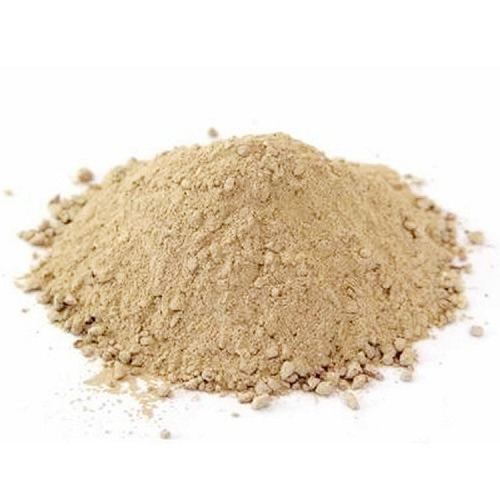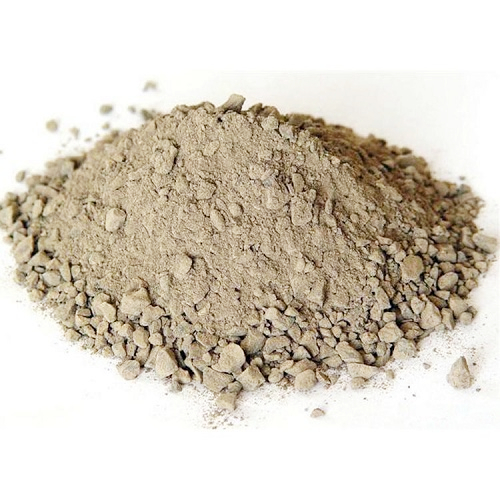






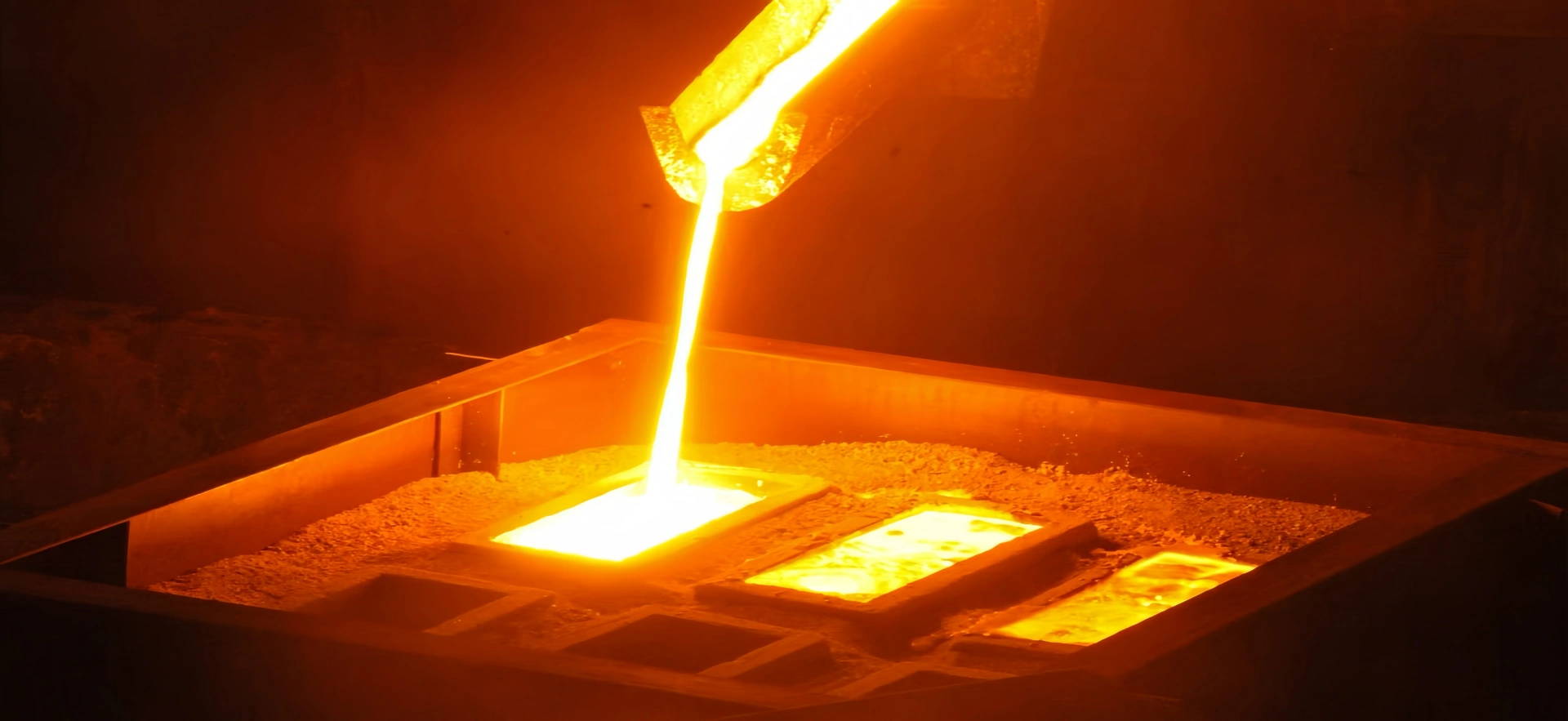
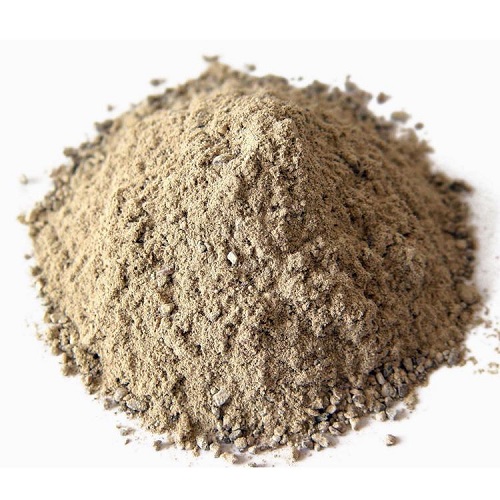
AZS sealing compound was developed to address the permeation shortcomings that traditional fireclay or slurries may exhibit under ultra-high temperature and highly corrosive conditions. It employs a unique physicochemical composite bonding mechanism to form a seamless, dense, and chemically stable barrier after application. Its core technological advantages include:
Ultimate Permeation Resistance & Sealing Performance: Synergistic action of ultrafine powders and specialized additives completely fills micron-level pores, forming a flawless dense layer that provides near-perfect barrier protection against molten glass, alkali vapors, and air.
Synchronized Erosion Resistance: Its primary components are fully compatible with AZS bricks, exhibiting outstanding resistance to molten glass erosion even at temperatures exceeding 1700°C. This ensures the sealing layer degrades synchronously with the brick body, eliminating weak points.
Superior High-Temperature Bonding and Flexibility: Forms a robust ceramic bond with AZS bricks at elevated temperatures while retaining flexibility to absorb thermal stresses, preventing cracking due to thermal expansion and contraction.
Flexible Application Forms: Available in paste, plastic, or dry powder (on-site slurry preparation) forms to suit application locations and process requirements, accommodating coating, grouting, and pressing methods.
Key Technical Parameters:
- Form: Paste / Plastic / Dry Powder
- Chemical Composition: Compatible with AZS-33/36/41 bricks
- Post-curing porosity: Extremely low (paste/plastic forms achieve near-dense material after heat treatment)
- High-temperature flexural bond strength (1400°C): ≥ 5.0 MPa
- Glass melt penetration resistance index (simulated test): Significantly superior to conventional refractory mortars
- Maximum service temperature: ≥ 1750°C